
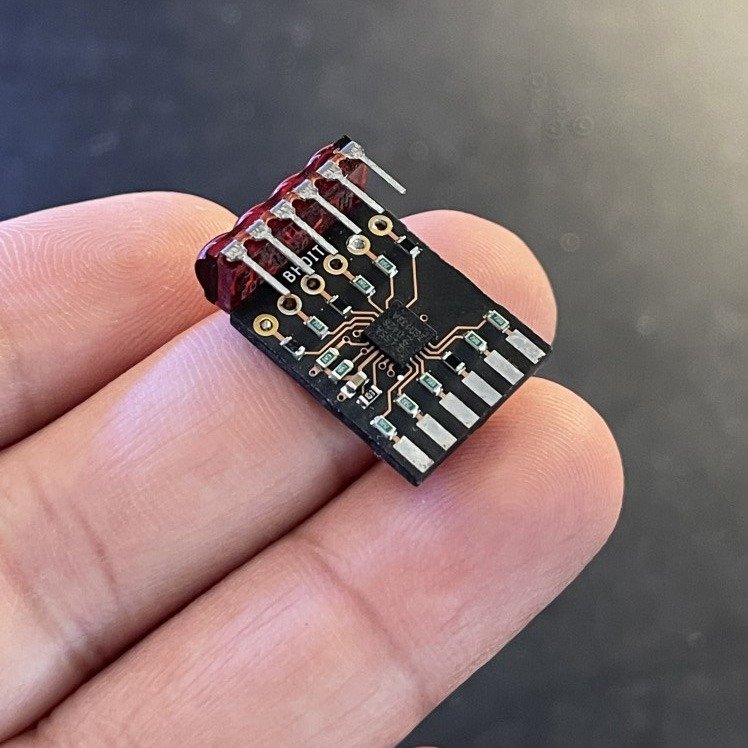
Microcontroller Projects for Engineering Students: Practical Ideas to Build Your Skills
Microcontroller projects are an excellent way for engineering students to turn classroom concepts into practical, working systems.
A microcontroller is a compact computer integrated into a single chip that can read sensors, control electronic components, process data, and communicate with other devices. By building projects, students can improve their skills in programming, electronics, circuit design, automation, and troubleshooting.
Why Choose Microcontroller Projects?
Microcontroller-based projects are useful for students in electronics, electrical, computer, robotics, and communication engineering. Platforms such as Arduino, ESP32, and STM32 make it easier to experiment with hardware and software without requiring expensive equipment.
These projects also help students understand how real-world products work. From smart home devices to robots and monitoring systems, many modern technologies use microcontrollers as their control unit.
1. Smart Home Automation System
A smart home project can use a microcontroller to control lights, fans, or other appliances. Students can connect motion, temperature, or light sensors and create an automated system.
For example, a light can automatically turn on when motion is detected. An ESP32 can also provide wireless control through a smartphone or web interface.
2. Weather Monitoring Station
A weather monitoring station is a practical project for learning about sensors and data collection. A microcontroller can collect temperature, humidity, air pressure, and light-level information.
The collected readings can be displayed on an LCD or OLED screen. More advanced versions can send the information to an online dashboard using Wi-Fi.
3. Obstacle-Avoiding Robot
Robotics projects are popular among engineering students because they combine programming, electronics, and mechanical design. An obstacle-avoiding robot can use ultrasonic sensors to detect objects in front of it.
The microcontroller processes the sensor readings and controls the motors accordingly. Students can further improve the design by adding Bluetooth control, line-following capabilities, or multiple sensors.
4. Smart Plant Monitoring System
A smart plant monitoring system can measure soil moisture and automatically control a small water pump when the soil becomes too dry.
This project demonstrates how sensors, actuators, and programmed decision-making work together. Students can add temperature and humidity sensors to create a more advanced plant-care system.
5. RFID-Based Attendance System
An RFID attendance system can automatically identify students using RFID cards or tags. The microcontroller reads the card information and records attendance.
A display can show the student’s identification status, while an SD card or online database can store attendance records. This is a useful project for learning identification technology and data management.
6. Bluetooth-Controlled Robot
Students interested in wireless communication can build a Bluetooth-controlled robot. A smartphone sends commands to a Bluetooth module or an ESP32, while the microcontroller controls the robot’s motors.
This project provides hands-on experience with wireless communication, motor drivers, programming, and mobile control.
Tips for Building a Successful Project
Start with a simple circuit and understand every component before adding advanced features. Create a clear block diagram, select suitable sensors and modules, and test each section separately. Always use the correct voltage and current ratings for your components.
Students should also document their circuit diagrams, source code, testing process, problems, and final results. Good documentation can make a project easier to demonstrate during a college presentation or final evaluation.
Conclusion
Microcontroller projects give engineering students valuable practical experience beyond textbooks. Whether you choose a smart home system, weather station, robot, plant monitor, or RFID project, each idea provides an opportunity to develop programming and electronics skills. Starting with a manageable project and gradually adding advanced features is one of the best ways to build confidence in embedded systems and engineering design.
Beginner Projects (Arduino / ESP32 / 8051)
Microcontroller projects are an essential part of engineering education, especially for students in electronics, electrical, and embedded systems fields.
These projects help bridge the gap between theoretical knowledge and practical application, allowing students to gain hands-on experience with real-world technologies.
A microcontroller is a compact integrated circuit designed to perform specific tasks.
Popular microcontrollers such as Arduino Uno, Raspberry Pi Pico, and 8051 Microcontroller are widely used in student projects due to their affordability and ease of programming.
One of the most common beginner projects is an LED blinking system. This simple project helps students understand basic programming, input-output operations, and circuit connections. Another popular project is a temperature monitoring system using sensors.
This involves reading sensor data and displaying it on an LCD, which introduces students to analog-to-digital conversion and data processing.
As students progress, they can work on more advanced projects such as home automation systems. These projects use microcontrollers to control lights, fans, and appliances through mobile apps or remote controls. It enhances knowledge of wireless communication technologies like Bluetooth and Wi-Fi.
Microcontroller Robotics Project for Engineering Students
Robotics projects are also highly popular among engineering students. Building a line-following robot or an obstacle-avoiding robot helps students learn about sensors, motor drivers, and real-time decision-making. These projects not only improve technical skills but also encourage creativity and problem-solving.
Another innovative idea is a smart irrigation system. This project uses soil moisture sensors to automatically water plants when needed, promoting efficient water usage. Similarly, a digital attendance system using RFID technology can be developed to automate attendance tracking in institutions.
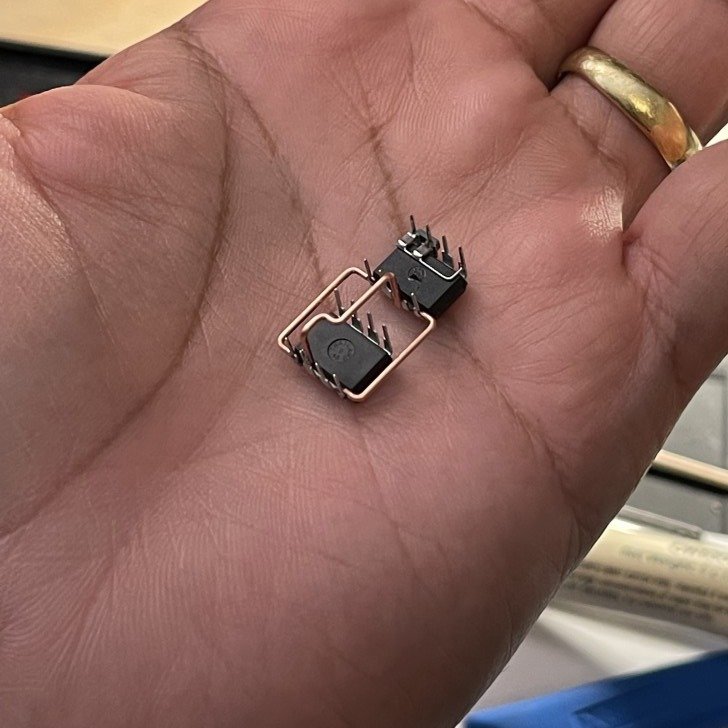
Microcontroller projects also help students develop programming skills in languages such as C, C++, and Python. Additionally, they gain experience with debugging, circuit design, and system integration, which are crucial in the engineering field.
Microcontroller projects are a valuable learning tool for engineering students.
They provide practical exposure, enhance technical understanding, and prepare students for careers in embedded systems, robotics, and IoT development.
By working on innovative cool gadget projects, students can build a strong foundation and stand out in the competitive engineering industry.